Written and reviewed by Lauren Cooke-Niemczyk
Lauren is a Certified Nutritionist and Health Coach with over seven years of clinical experience. As part of LittleOak’s Consumer CareTeam, she is passionate about empowering families with the support and information they need to feel confident in their feeding journeys.
Key takeaways
- Updated oil blend: LittleOak has replaced our high-oleic sunflower oil with premium, cold-pressed olive oil in our baby formula.
- Nutritional benefits: Cold-pressed olive oil is rich in oleic acid, the primary fat found in breast milk. It’s also known to naturally contain plant polyphenols.
- The role of sunflower oil: Our updated oil blend includes cold-pressed olive, coconut, and flaxseed oils, along with sunflower oil. Sunflower oil remains an important source of linoleic fatty acids.
- Key fatty acids: We include linoleic acid (LA), alpha-linolenic acid (ALA), DHA, and ARA in our baby formulas, all of which are vital for infant health.
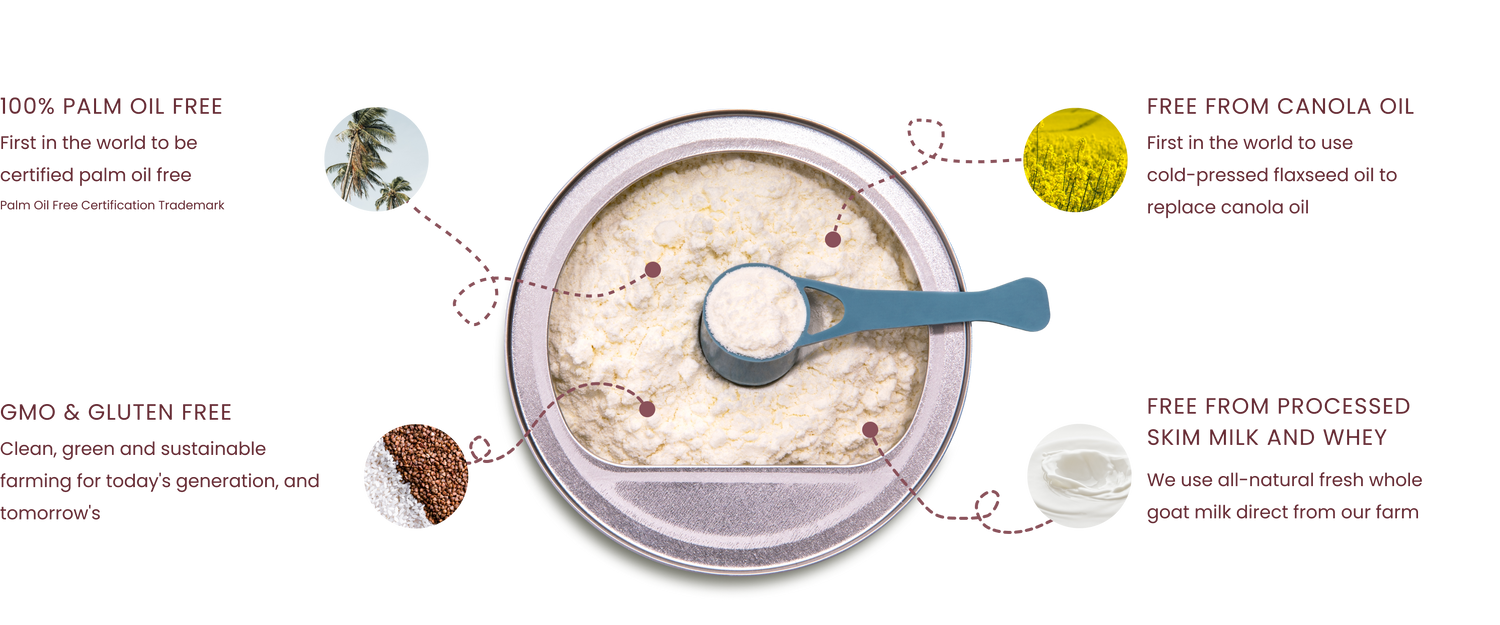
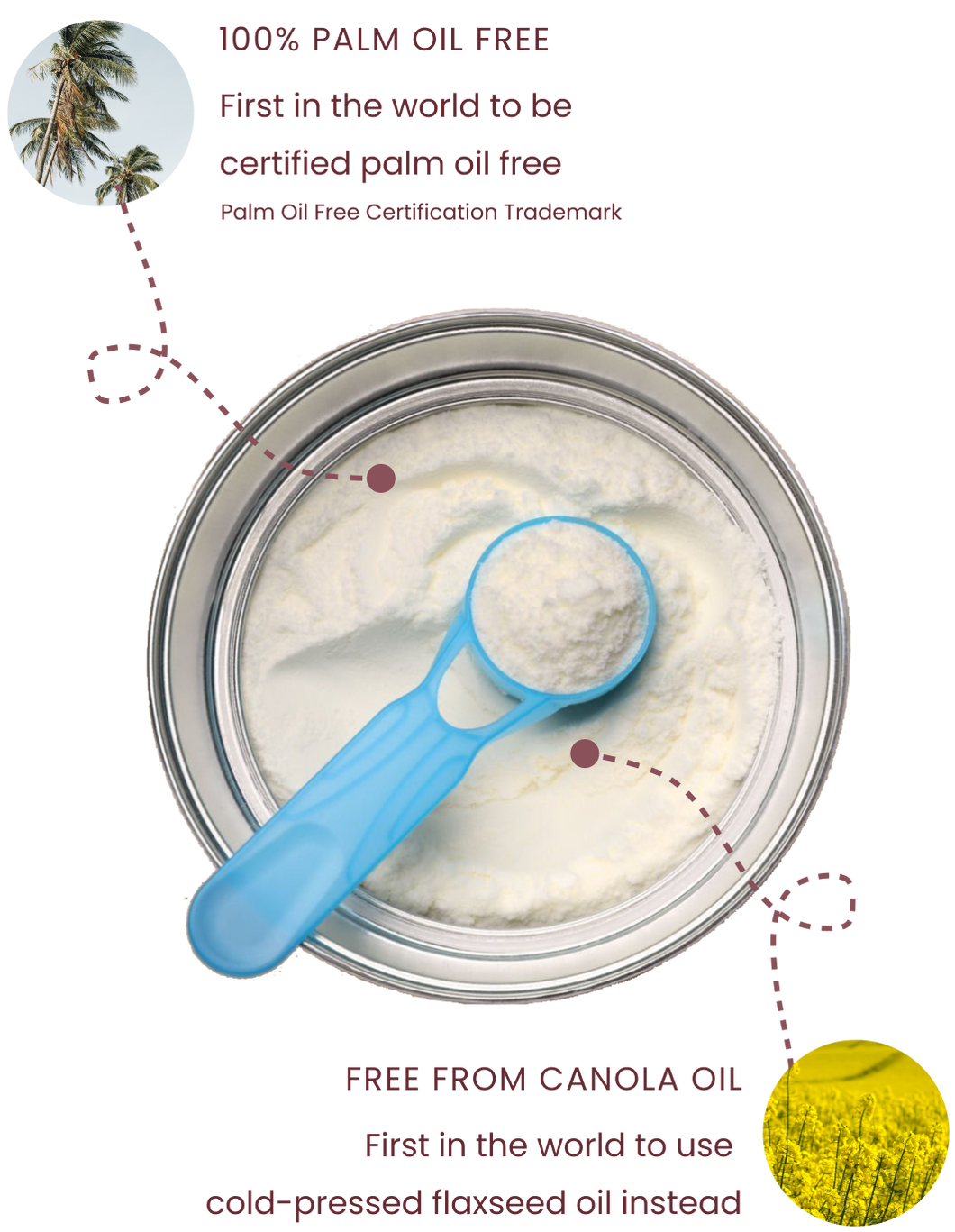
- 100% palm oil free: LittleOak is the first infant formula to be certified 100% palm oil free.
Here at LittleOak, we are incredibly excited and proud to share that we have made a beautiful upgrade to our unique oil blend: we have replaced our high-oleic sunflower oil with cold-pressed olive oil. This change reflects our ongoing commitment to providing babies with the most natural and wholesome nutrition possible. Read on to discover more about the role oils play in our formula and the benefits of this important change.
Why are oils used in baby formula?
To mimic breast milk
Oils are incredibly important in infant formula because they replicate the complex blend of fatty acids found in breast milk. Breast milk naturally contains a blend of essential fatty acids that play an important role in a baby’s growth, development, and the healthy function of the nervous system. As babies cannot produce these essential fatty acids on their own, infant formulas use a carefully selected blend of oils to provide the specific types and levels of fats needed to support their nutritional requirements.
To provide essential omega 6 and omega 3 fatty acids
Babies cannot produce omega 6 and omega 3 essential fatty acids on their own, which is why infant formulas use a blend of oils to provide the specific types and levels of fats needed to support their nutritional requirements. In fact, regulations mandate specific minimum and maximum levels for these essential fatty acids. Our range is crafted in New Zealand and is formulated in line with Food Standards Australia New Zealand (FSANZ), a regulatory body for nutritional composition and safety. FSANZ regulates fat and fatty acid composition in infant and follow-on formulas under Standard 2.9.1 and Schedule 29 of the Australia New Zealand Food Standards Code.
To support healthy growth
Fats are incredibly important for babies, providing the caloric density required for healthy weight gain and growth. In addition to our carefully selected oil blend, our beautiful fresh whole goat milk provides natural milk fats necessary for development.
What essential fatty acids are found in baby formula?
To achieve a fatty acid profile similar to that of breast milk, infant formulas typically include a combination of oils that provide key fatty acids, including:
- Linoleic Acid (LA): An omega-6 fatty acid essential for brain and nervous system development, skin integrity, and overall growth and metabolic health. Sunflower oil is the main source of our LA.
- Alpha-Linolenic Acid (ALA): An omega-3 fatty acid that plays a vital role in brain and nervous system development, retinal function, and cell membrane formation. Flaxseed oil is our main source of ALA.
- DHA (Docosahexaenoic acid): An omega-3 long-chain polyunsaturated fatty acid (LCPUFA) that is vital for eye and brain development. Our DHA is sourced from high-quality algae (and is entirely fish-free).
- ARA (Arachidonic acid): An omega-6 fatty acid essential for brain and retinal development, and immune system support. ARA is sourced from fungi and is carefully selected for its purity and sustainability.
What are the benefits of olive oil in baby formula?
LittleOak has always been committed to using the highest quality ingredients possible and to continually look for ways to improve our formulation. Guided by the belief that infant nutrition should be as close to nature as possible, LittleOak has achieved a world-first innovation by replacing high-oleic sunflower oil with beautiful cold-pressed olive oil.
A natural source of oleic acid
Olive oil is naturally a rich source of oleic acid, a monounsaturated fatty acid (also called omega-9). This is a fatty acid which provides a source of energy and supports nutrient absorption, as well as healthy brain and nervous system development. Oleic acid is also the most abundant fatty acid in breast milk.
Less processed
LittleOak is committed to using pressed oils whenever possible. By eliminating high-oleic sunflower oil, we’ve developed an oil blend primarily composed of pressed oils, resulting in a less processed oil profile. Our carefully balanced blend includes cold-pressed coconut, flaxseed, olive, and sunflower oils.
Why sunflower oil remains part of our formula
While olive oil provides many benefits, it cannot provide all of the essential fatty acids babies need on its own. That’s why we’ve carefully balanced our oil blend with cold-pressed flaxseed and coconut oils, alongside sunflower oil, to provide the complete fatty acid profile babies need for healthy growth and development.
Sunflower oil continues to play an important role in our formula because it is a source of linoleic acid, an essential omega-6 fatty acid that all babies need. The richest sources of linoleic acid are from vegetable oils such as sunflower, safflower, and soybean oil, which is why they are commonly used in formula to help meet the nutritional requirements set for growing babies.
The importance of being certified 100% palm oil free
LittleOak is the first infant formula in the world to be certified 100% Palm Oil Free by the Palm Oil Free Certification Accreditation Program (POFCAP). Scientific studies suggest that palm oil in infant formula can lower the absorption of calcium, certain fats, and DHA in babies. Negative consequences can occur from deficiencies in DHA, given that DHA is crucial for cognitive and nervous system development and eye health in infants. If calcium absorption is reduced, this interferes with normal bone mineralisation. Palm oil can also contribute to the formation of calcium soaps in the gut, which may lead to firmer stools and constipation in some babies. This happens when the palmitic acid in palm oil binds with calcium, creating compounds that are harder for the body to absorb and can make stools more difficult to pass.
If you have any questions about LittleOak's new oil blend, please do reach out to our CareTeam. We are always here.
FAQs
Why is oleic acid important for babies?
Oleic acid is a monounsaturated omega-9 fatty acid and is also the most abundant fatty acid in breast milk. This means it plays an important role in energy production in infants. It is also thought to support immune function and brain and behavioural development via the insulation of nerve fibres (myelination).
Does the new olive oil blend change the taste or smell of the formula?
No. Our new and improved formulation tastes and smells just as it always has, so your little one shouldn’t notice any difference. If anything, you may notice it’s a little creamier thanks to the olive oil, while still keeping that mild, naturally sweet taste you know from our fresh whole goat milk.
Does my baby need to transition slowly to the new formula?
No gradual transition is necessary. The updated formula meets the same nutritional requirements as before, with a beautiful new oil blend that includes cold-pressed olive oil. You can introduce the new formula directly, as you would with your usual LittleOak formula.